The Role of Legumes in Turkish Cuisine
Appetizers
Start your meal with flavor!Explore our delicious appetizers and enjoy the perfect bite.
Order Now
Turkish cuisine is deeply rooted in tradition, using simple yet nutrient-rich ingredients to create hearty, flavorful meals. Legumes play a significant role in Turkish cooking, serving as the foundation of many dishes ranging from comforting soups to robust stews. At Mama FatmaRestaurant, located in Toronto, Ontario, Canada, we celebrate the rich flavors of Turkish, Middle Eastern, and Mediterranean cuisine by incorporating high-quality legumes into our dishes, bringing authentic and healthy flavors to your table.
If you’re curious about how legumes are used in Turkish cuisine and want to learn how to prepare them yourself, keep reading!
Most Common Legumes Used in Turkish Dishes
Turkish cooking heavily relies on legumes due to their high nutritional value and versatility. Some of the most commonly used legumes include:
Lentils
Lentils are one of the most widely used legumes in Turkish cuisine. They come in different varieties, including red, green, and brown lentils, each offering a unique texture and taste.
Red lentils
are commonly used in
Lentil Soup
, a staple dish in Turkish households.
Green lentils
appear in stews and rice dishes, providing a firmer texture.
Brown lentils
are often used in vegetarian and vegan dishes as a hearty protein source.
Chickpeas
Chickpeas are an essential ingredient in Turkish cuisine, used in both whole and blended forms.
They are the base of hummus, a beloved Mediterranean dip.
Chickpeas are also the key ingredient in
Rice with Chickpeas
, a common street food in Turkey.
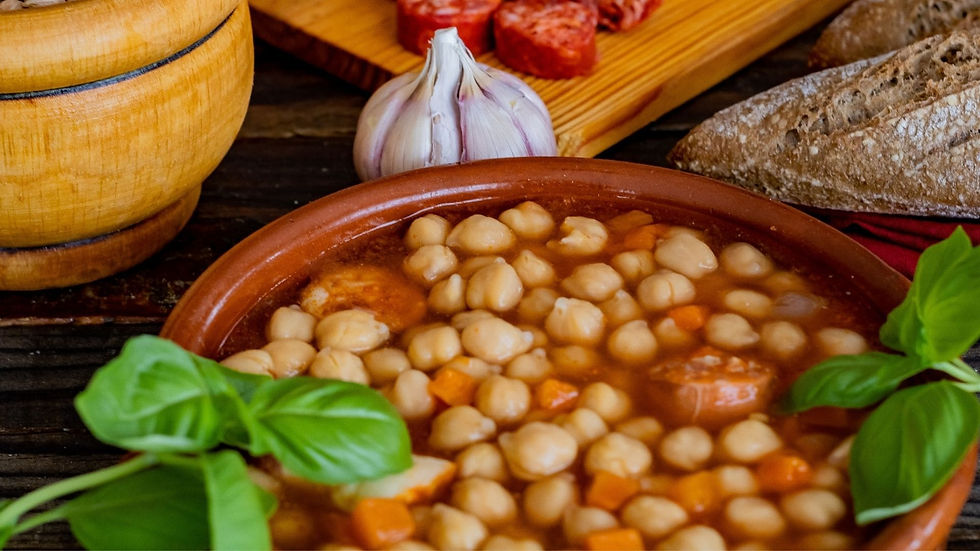
Chickpea Stew with Meat
is a comforting, protein-rich dish often enjoyed during colder months.
White Beans
White beans are a staple in Turkish stews and casseroles.
White Bean Stew
is one of the most iconic Turkish comfort foods, often served with rice and pickles.
White beans are also used in
piyaz
, a refreshing salad made with onions, parsley, olive oil, and lemon juice.
Black-eyed Peas
These legumes are particularly popular in the Aegean region of Turkey.
Often cooked as a light and nutritious stew with olive oil.
Used in cold salads with a squeeze of lemon and fresh herbs.
Want to taste traditional Turkish dishes prepared with these wholesome ingredients? Visit Mama Fatma and experience the richness of Turkish cuisine firsthand!

Health Benefits of Eating Legumes
Legumes are not just delicious; they also offer a variety of health benefits that make them a staple in a balanced diet.
High in Protein
– Legumes provide a great source of plant-based protein, making them ideal for vegetarians and those looking for meat alternatives.
Rich in Fiber
– The fiber in legumes aids digestion, helps maintain healthy cholesterol levels, and promotes gut health.
Low in Fat & High in Nutrients
– They contain essential vitamins and minerals like iron, magnesium, and potassium.
Great for Heart Health
– Regular consumption of legumes has been linked to reduced risk of heart disease.
Helps with Weight Management
– The combination of protein and fiber keeps you fuller for longer, helping with appetite control.
At Mama Fatma, we incorporate legumes into many of our dishes, ensuring every meal is not just delicious but also packed with nutrients!
Traditional Turkish Soups and Stews Made with Legumes
Legumes form the base of many beloved Turkish dishes, from warming soups to hearty stews. Here are some traditional dishes you should try:
Turkish Lentil Soup: One of the most famous soupe legumes in Turkish cuisine, this red lentil soup is creamy, nutritious, and incredibly flavorful.
Ezogelin Soup: Made with red lentils, rice, and bulgur, this slightly spicy and tangy soup is a comforting dish often served with a squeeze of lemon.
Turkish White Bean Stew: This legume stew is a must-try! White beans are slow-cooked with tomatoes, onions, and sometimes lamb or beef for a deeply satisfying meal.
Chickpea Stew with Meat: A rich and hearty stew where chickpeas are slow-cooked with tender meat in a tomato-based sauce.
Looking to enjoy a bowl of authentic Turkish soupe legumes? Mama Fatma serves these classic dishes daily, bringing the true flavors of Turkey to Toronto!
How to Cook and Store Legumes Properly
To get the best taste and texture from legumes, follow these cooking and storage tips:
Cooking Tips:
Soak overnight
– Most dried legumes (like chickpeas and white beans) need to be soaked overnight to reduce cooking time and improve digestibility.
Use fresh water for cooking
– Drain the soaking water and use fresh water when boiling legumes.
Skim off foam
– When boiling, a layer of foam may form on the surface; skimming this off improves clarity and taste.
Add salt at the end
– Salt can slow down the cooking process, so it’s best added toward the end of cooking.
Storage Tips:
Dry Storage
– Keep dried legumes in an airtight container in a cool, dark place.
Cooked Storage
– Store cooked legumes in a sealed container in the fridge for up to 4 days.
Freezing
– Cooked legumes freeze well! Simply store them in freezer-safe bags or containers for up to 3 months.
Want to skip the preparation and enjoy perfectly cooked legume stew? Let Mama Fatma do the work for you!
Easy Turkish Legume Recipes for Everyday Meals
Here are some simple legume stew recipe ideas that you can try at home:
Quick Turkish Lentil Soup
Sauté onions and garlic in olive oil.
Add red lentils, tomato paste, and spices.
Pour in water or stock and simmer until creamy.
Blend if desired and serve with fresh lemon juice.
Chickpea and Bulgur Pilaf
Cook bulgur with onions, garlic, and tomato paste.
Stir in cooked chickpeas for a protein-packed meal.
Serve with yogurt and fresh herbs.
Spiced White Bean Stew
Sauté onions, carrots, and garlic.
Add white beans, tomatoes, and Turkish spices.
Simmer until thick and serve with rice or crusty bread.
Want to enjoy expertly prepared Turkish legume dishes? Visit Mama Fatma and let us serve you an authentic, delicious meal today!

Blog
When you think of healthy eating, your mind often jumps to salads or steamed fish. But Turkish cuisine, at its core, is one of the world’s original wellness diets. Rooted
October 25, 2025
No Comments

Blog
Every bite of turkish dishes is a journey through time. From the smoky spices of Anatolia to the refined elegance of the Ottoman palaces, the food tells a story of
October 25, 2025
No Comments

Blog
In the heart of Turkish culture, food is far more than sustenance; it is the strongest glue holding families and communities together. The tradition of the sofra (the communal dining
October 24, 2025
No Comments

Blog
There’s nothing quite as impressive and inviting as hosting a dinner party centered around Turkish cuisine. It’s a culture built on generosity, abundance, and the art of shared eating—a tradition
October 18, 2025
No Comments

Blog
For many diners in the vibrant city of Toronto, the question of what to drink often defaults to wine or beer. But when sitting down to a truly authentic Turkish
October 17, 2025
No Comments

Blog
Living in Toronto, Ontario, means experiencing the full spectrum of Canadian weather—from scorching summer humidity to the deep chill of winter. This drastic seasonal shift requires a flexible diet, and
October 16, 2025
No Comments


